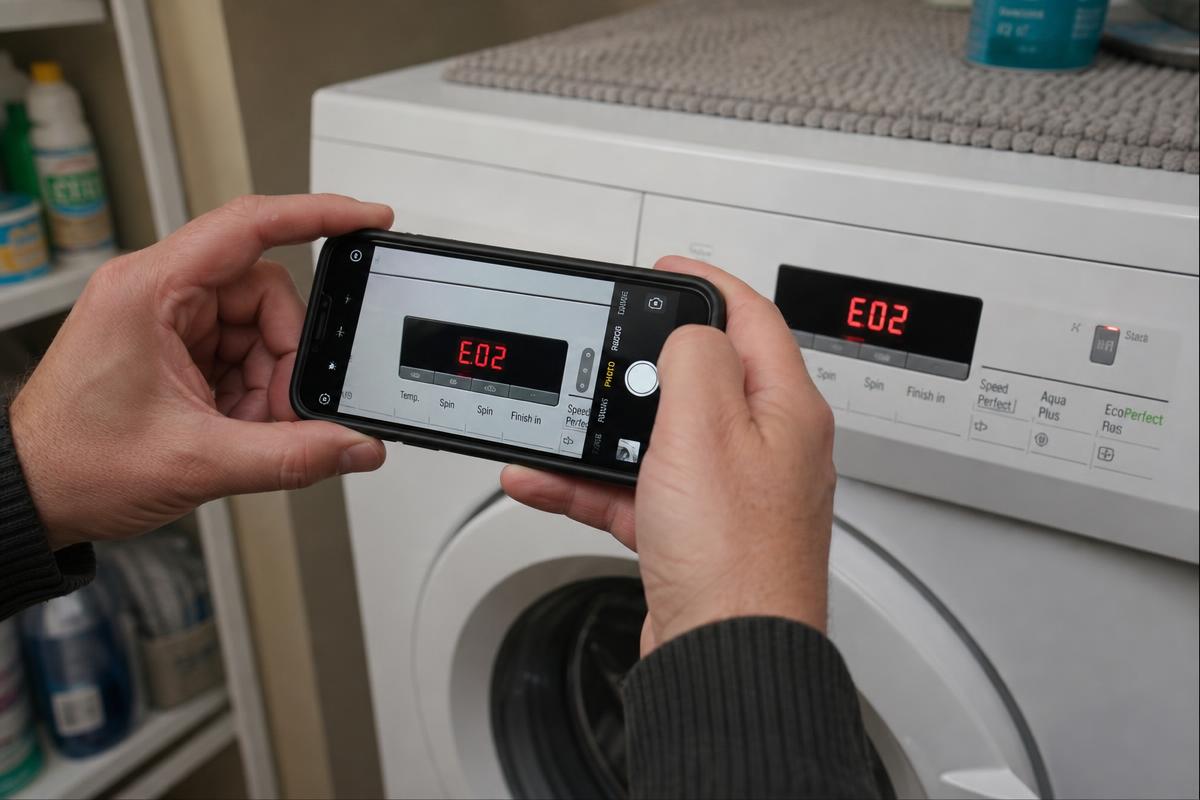
Fault diagnosis
See the fault, error code and surroundings before deciding what to do.
Use cases
Where in the service process does visual information change the decision? These are the points where seeing the situation leads to a different next step.
These examples illustrate where guided visual information can support a service workflow. They are not customer case studies.
See the fault, error code and surroundings before deciding what to do.

Sort urgent cases from those that can wait or be resolved remotely.
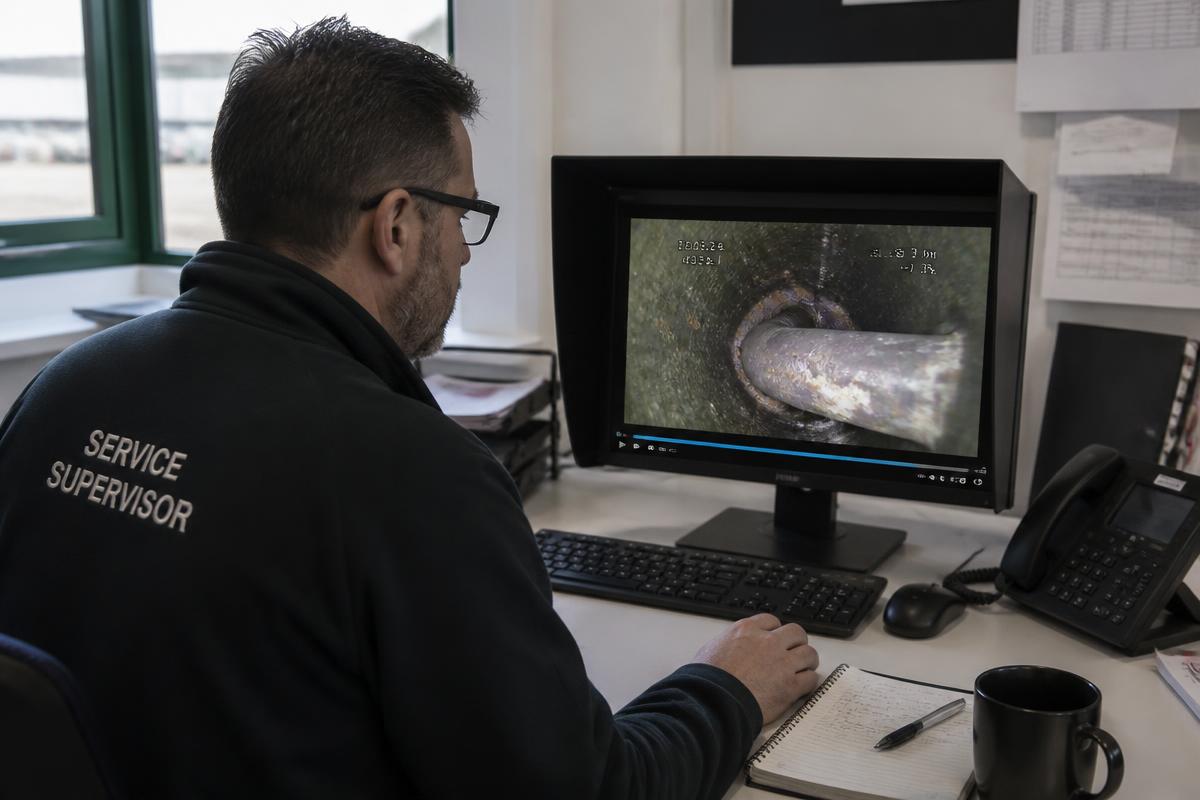
Give a supervisor or technical specialist visual context from the field so they can advise on the next step.
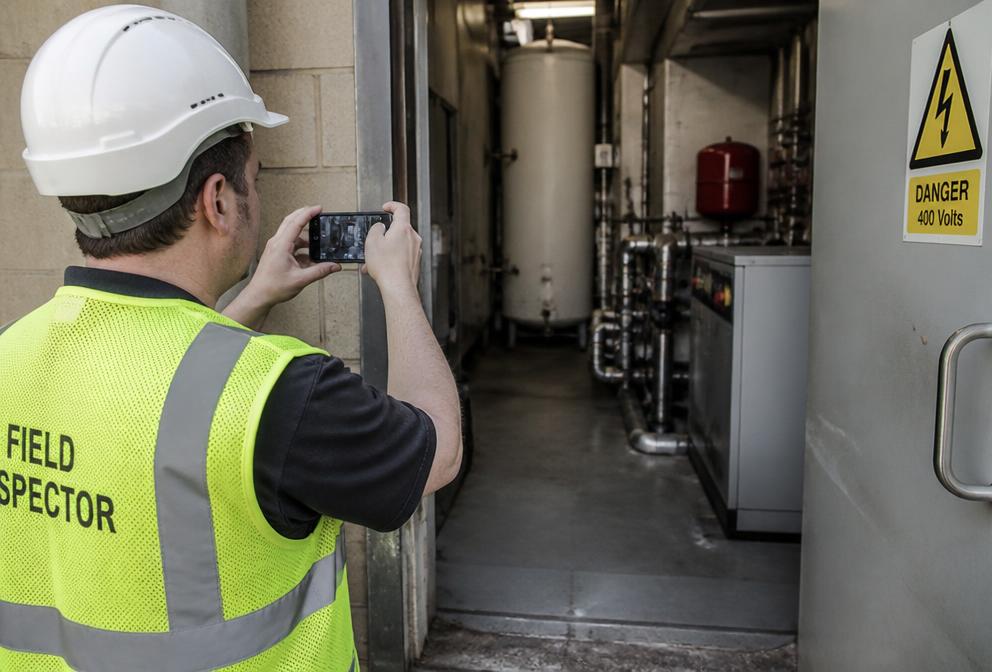
Capture condition, access and safety consistently.
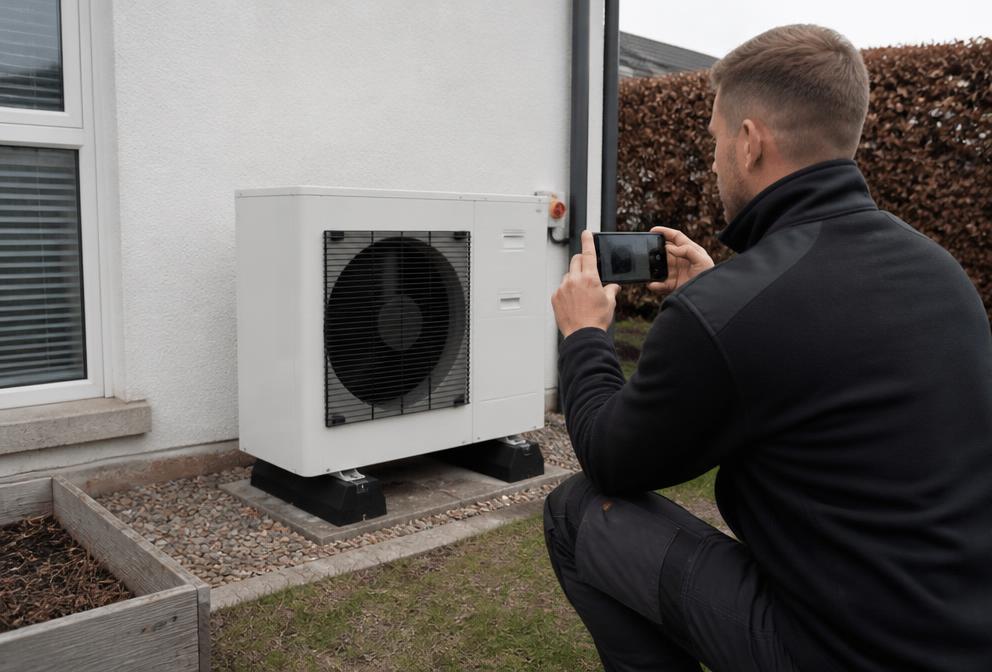
Record what was installed and the condition in which it was left.

Standardise visual reporting across recurring maintenance work.
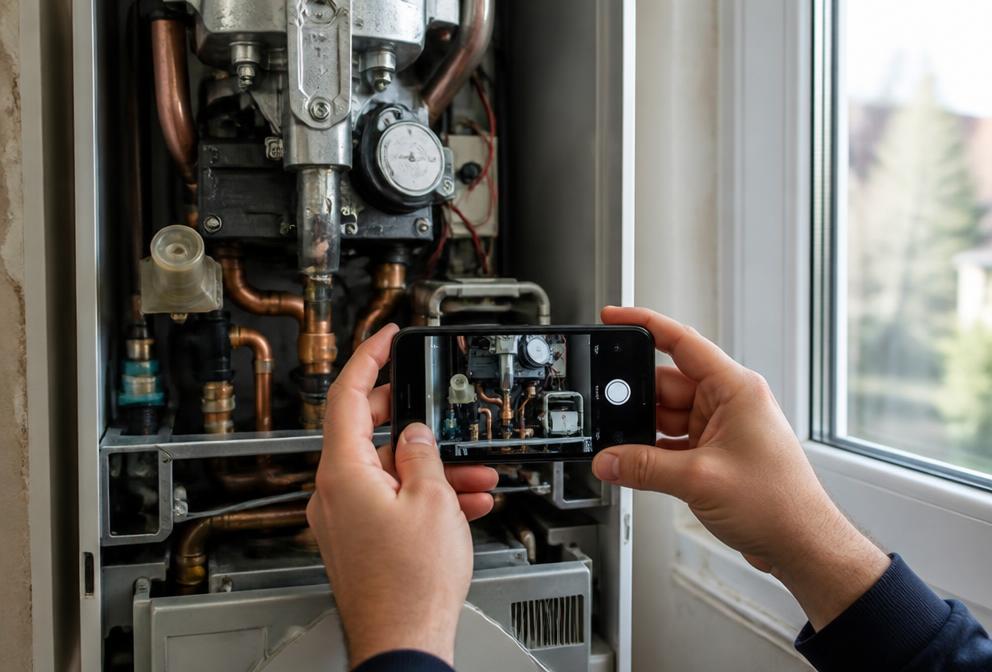
Keep dated visual documentation of components and workmanship.
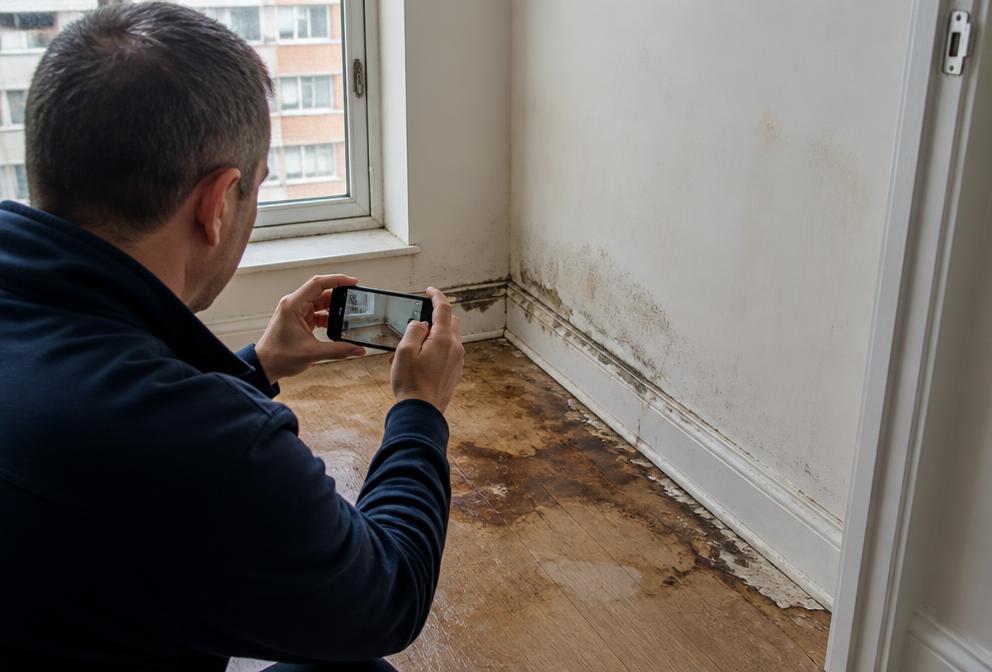
Capture damage consistently for claims and restoration workflows.
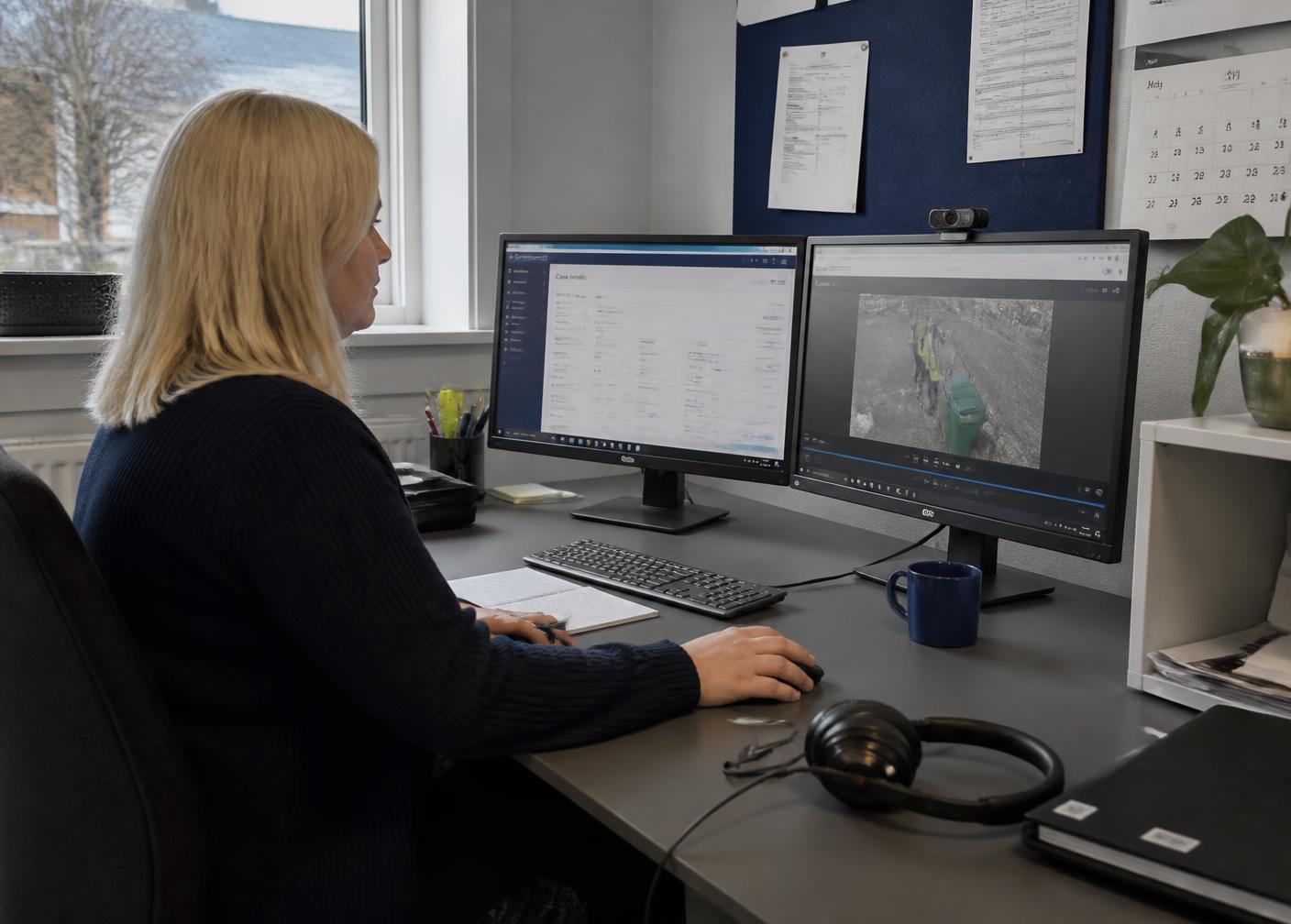
Let supervisors review work centrally.
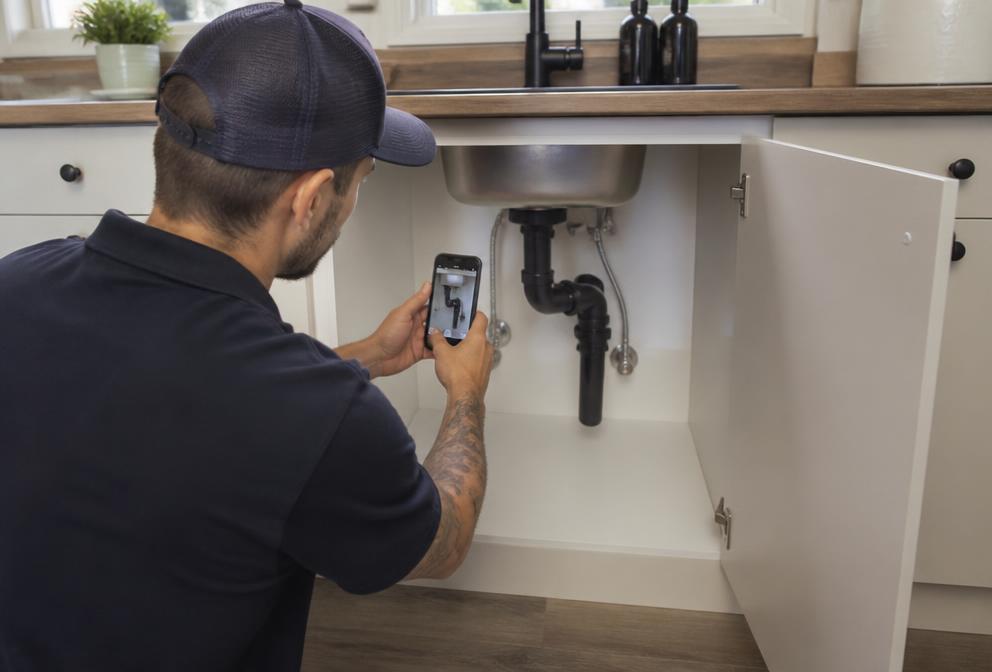
Close jobs with before-and-after documentation attached to the case.
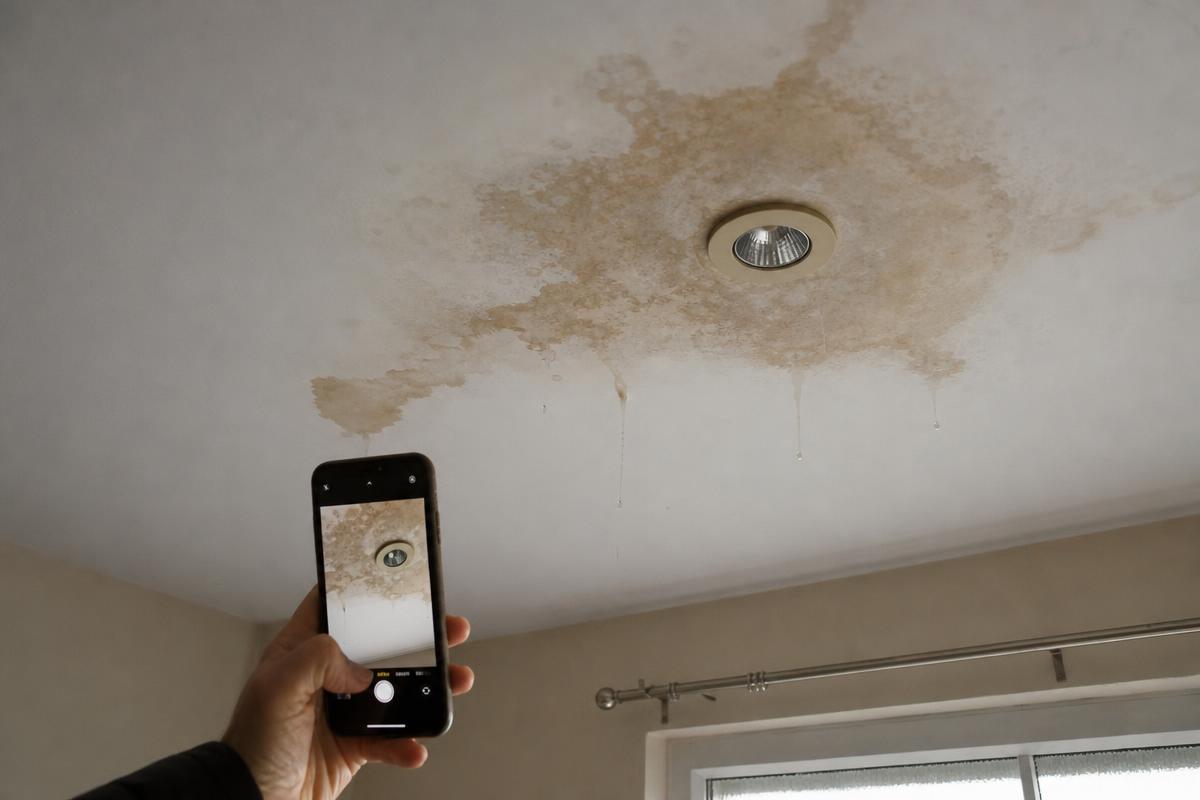
Insurance and restoration
A water-damaged ceiling, burst pipe or storm-damage case can be documented immediately from a guided link. The same visual documentation can then be reviewed by the relevant service or claims teams.
Getting started
Pick the process with the highest cost of being wrong — usually first-line triage or completion evidence — and extend from there.
Pick the process where being wrong costs the most, and we will design the capture around it.